May 17, 2026 • Celeste Marchand • 8 min reading time • Prices verified June 6, 2026
Hot Cocoa Gift Sets Worth Giving: What's Actually in the Tin and What to Skip
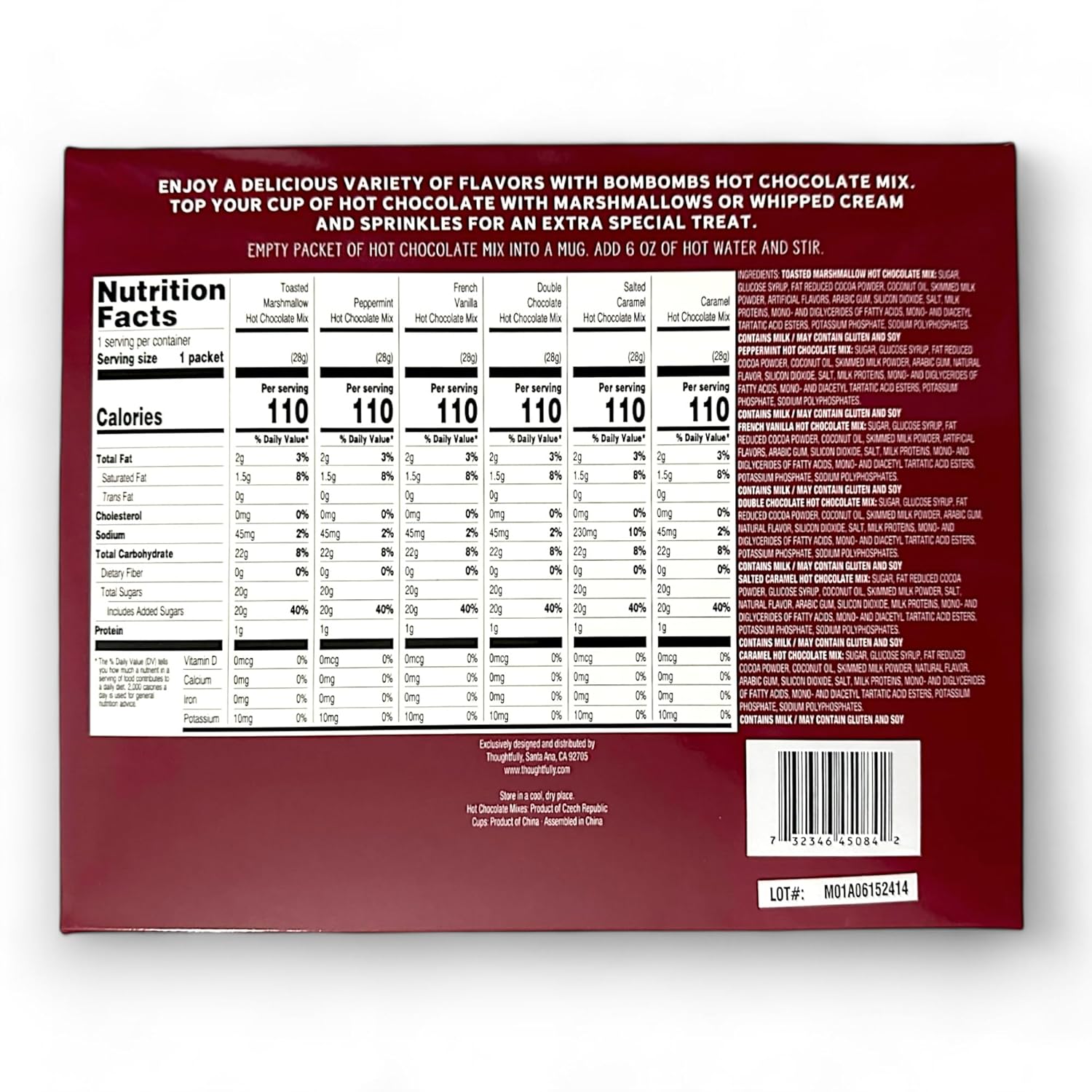
Hot cocoa mix and drinking chocolate — two phrases that get used interchangeably on gift packaging, but they describe pretty different things, and that distinction quietly drives most of what separates a $12 tin from a $65 one. Hot cocoa mix is traditionally made from cocoa powder (the dry, defatted byproduct left after pressing cacao beans), sugar, and dried milk, all reconstituted with hot water or milk. Drinking chocolate — the premium version you’ll see brands like Vosges or Compartes lead with — uses finely ground whole chocolate: cacao solids and cocoa butter still intact, which gives you a richer, more viscous cup. Think of it as the difference between powdered soup and actual broth. Both have a place in a gift, but knowing which you’re holding changes whether a price tag is fair or inflated. This guide walks through how to read a mix’s ingredient list like a buyer who’s done this before, where the value actually lives at each price band, and which sets deserve to be skipped no matter how pretty the packaging is.
What the Ingredient List Actually Tells You
Once you know what to look for, a cocoa mix ingredient list takes about fifteen seconds to read and tells you almost everything.
The first three ingredients are the story. Regulatory labeling in the US requires ingredients by weight, descending. If sugar appears before cocoa or chocolate, you are holding a candy-adjacent product — not a bad thing for a child’s stocking, but not what a chocolate connoisseur considers a quality mix. If cocoa powder or ground chocolate leads, the formulator built around flavor first.
Dutch-process vs. natural cocoa matters more than most labels admit. Natural cocoa is acidic, fruity, and sharp. Dutch-process cocoa (treated with an alkali to neutralize acidity) is darker, rounder, and more “classic hot chocolate” in flavor — what most people picture. The Chocolate Life community has covered this distinction extensively in tasting threads: Dutch-process tends to read as more approachable in a gift context because the flavor is familiar and mellow, while natural cocoa excites people who want brightness and complexity. Premium drinking chocolate mixes from craft makers frequently specify single-origin cacao and processing method on the label; that specificity is a quality signal worth weighting.
Cocoa butter content separates drinking chocolate from mix. Finely ground chocolate (which retains cocoa butter) produces a cup with body — it coats the palate differently. Serious Eats’ explainer on hot cocoa versus hot chocolate highlights exactly this: ground chocolate suspends fat in the liquid, which is why high-end drinking chocolate products instruct you to whisk vigorously. If a product claims to be “drinking chocolate” but lists no fat beyond what’s incidental in low-fat cocoa powder, that’s marketing drift, not formulation.
Additives to flag: Partially hydrogenated oils (now largely phased out but still worth scanning), maltodextrin as a primary bulking agent, and “natural flavors” listed high in the ingredient stack (meaning they’re doing flavor-lifting work the cocoa should handle) all suggest cost-cutting at the formulation stage. Not every product with natural flavors is bad, but when flavors appear before cocoa in the list, ask why.
By the Numbers: What You’re Actually Paying Per Serving
| Price Band | Typical Tin Size | Servings | Cost Per Serving | What’s Usually Inside |
|---|---|---|---|---|
| $12–$22 | 8–12 oz | 8–14 | $1.20–$1.80 | Dutch-process cocoa, sugar, dried milk; functional but simple |
| $28–$45 | 8–12 oz | 8–12 | $3.00–$4.50 | Named cocoa origin or ground chocolate, often single-origin claims |
| $55–$85 | 8–16 oz | 6–14 | $5.00–$9.50 | Craft drinking chocolate, ceremonial-grade or single-estate cacao, minimal additives |
| $90–$150+ | Gift set / multi-tin | varies | $8–$15+ | Curated multi-origin sets, branded packaging, often includes accessories |
The cost-per-serving math matters for corporate and event gifting decisions especially: a $75 gift set that yields only six servings is a different value proposition than a $55 tin with twelve. For client gifting where the goal is ritual enjoyment over multiple sittings, more servings often outperforms a single dramatic cup.
The Sets Worth Recommending — and How to Match Them to Your Use Case
For the first-time gifter ($18–$45 range): Vosges Haut-Chocolat’s hot cocoa mixes have appeared consistently in Wirecutter’s holiday gift roundups for their approachable flavor and above-average ingredient quality relative to the price. Vosges typically leads with Dutch-process cocoa from named origins and keeps the sugar-to-cocoa ratio honest — you get actual chocolate flavor, not a sweetened powder. The branded tin is also legitimately pretty on a shelf, which matters when the unboxing moment is part of what you’re buying.
Compartés’ drinking chocolate set has received similar notice in Food & Wine’s best hot chocolate mix roundups for its ground-chocolate formulation and single-origin sourcing transparency. At the $40–$55 price point for their gift packaging, it’s one of the cleaner value propositions available from a brand with real craft credibility.
For the enthusiast or connoisseur ($55–$120): Recchiuti Confections (San Francisco) produces a drinking chocolate powder that reviewers consistently describe as unusually intense — Bon Appétit’s feature on what to look for in drinking chocolate cited richness and a low-sweetness profile as the distinguishing quality of craft-level mixes, and Recchiuti fits that profile. It’s a gift for someone who will actually slow down to taste it, not someone who wants a comforting sweet drink after a long day. Know your recipient.
Cacao Barry’s “Plein Arôme” and Michel Cluizel’s drinking chocolate formulations are available to US buyers through specialty retailers and represent the European single-origin drinking chocolate tradition — high cacao percentage, restrained sweetness, and a texture that serious chocolate people find satisfying. These aren’t gift sets with elaborate packaging; they’re ingredient-forward products. If your recipient is the kind of person who reads cacao origin on a bar wrapper, they’ll appreciate the substance over the bow.
For corporate gifting and event coordinators ($90–$200+): The calculus here shifts from flavor profile to logistics and presentation. Hotel Chocolat’s gift tower sets — which include their drinking chocolate “Velvetiser” sachets alongside other confectionery — photograph well, ship with reliable cold-chain attention, and carry brand recognition that reads as premium without requiring explanation to a recipient who isn’t deep in the chocolate world. Neuhaus includes hot cocoa components in select gift towers that occupy a similar position: Belgian heritage branding, reliable quality, strong presentation, and a price band that signals genuine investment without requiring the buyer to explain why they spent it.
For custom or branded sets at volume, lead times are the governing variable. Most premium producers who offer private-label or custom-packaged drinking chocolate products require 8–14 weeks for initial production runs, and minimum order quantities typically start at 50–100 units. Build that into any Q4 holiday planning or event timeline — a beautiful tin that arrives three weeks after the event serves no one.
What to Skip (and Why the Packaging Lies Sometimes)
The most consistent value-destruction pattern in this category is premium-looking tins with commodity contents. A decorative tin with a tartan or seasonal motif and a $35–$50 retail price that contains a mix with sugar as the first ingredient and no cocoa origin disclosure is, essentially, a packaging arbitrage play. You’re paying for tin manufacturing and shelf appeal, not what’s inside.
A few specific flags worth naming:
Vague “premium” claims without ingredient specificity. “Rich,” “artisan,” and “gourmet” have no regulatory definition. They’re adjectives the packaging team chose. The ingredient list is the fact; the front-of-tin copy is marketing.
Single-serve sachet sets with very high per-unit prices. Individual sachets priced at $6–$8 each (which is common in curated gift boxes) imply premium formulation, but many contain the same commodity mix available in bulk. Sachet format is a packaging cost, not a quality signal. Calculate the price per ounce before committing.
“Drinking chocolate” labels on products listing skim milk powder and no cocoa butter. As noted above, drinking chocolate has a specific meaning rooted in formulation. A powdered mix with no fat source beyond defatted cocoa powder is a cocoa mix, and there’s nothing wrong with that — but you shouldn’t pay drinking chocolate prices for it.
Gift sets bundled with accessories of dubious quality. A ceramic mug or a small whisk bundled into a $60 set often means $15–$20 of that spend went to a mug sourced at commodity pricing. If the chocolate content alone doesn’t justify the price, the accessory bundle isn’t making it better — it’s obscuring where the budget went.
Decision Rules: If X, Then Y
These aren’t rules of thumb — they’re the framework that clears most purchasing decisions in this category:
If the recipient knows chocolate well and will taste critically: Prioritize single-origin disclosure, ground chocolate over cocoa powder, and low-sweetness formulation. Recchiuti, Michel Cluizel, or Compartes drinking chocolate at the $50–$80 range will land better than a larger, prettier set from a brand that doesn’t lead with sourcing.
If the recipient wants comfort and ritual over complexity: Dutch-process, slightly sweeter mix is genuinely better for this use case. Vosges at $28–$45 delivers that experience with enough brand credibility that the gift still reads as considered. Don’t over-engineer it.
If you’re buying for corporate gifting at 20+ units: Switch your evaluation frame from flavor-first to logistics-first. Hotel Chocolat and Neuhaus have the fulfillment infrastructure and branded presentation that makes the recipient experience consistent across a large order. Call the retailer directly to confirm in-stock volume and ship dates before committing — this category has supply constraints around October and November that catch buyers unprepared every year.
If the tin price is $40+ and the first ingredient is sugar: Put it back. The math doesn’t work, and the recipient deserves better.
If you’re working with a budget under $25 and need something that still reads as premium: Focus on single-flavor, honest packaging with a legible origin story. A 10-ounce tin of quality Dutch-process cocoa from a maker with a clear sourcing narrative — even at a modest price — beats a multi-component gift set where most of the spend evaporated into packaging. The ingredient list doesn’t lie about where the money went.